Trip Info
- Nepal
- Annapurna
- Trekking
- 15 Days
- Spring - Autumn
- Difficult
- 5416 Meters
- 1 - 32 People
- 30 Days Before Start
Overview
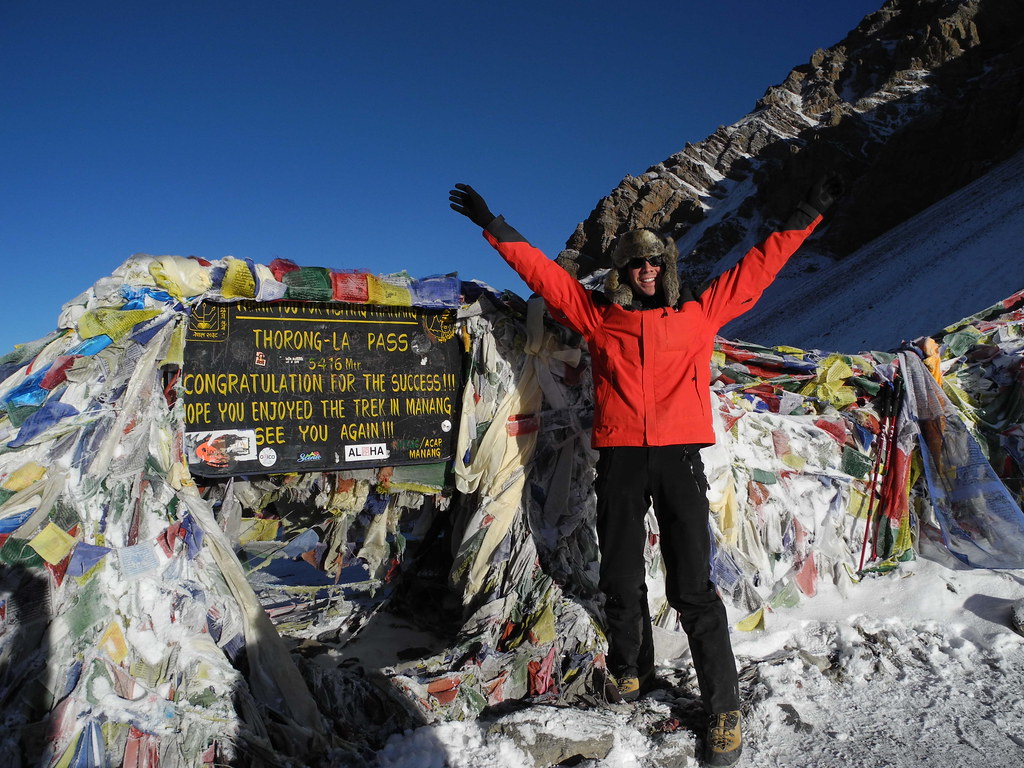
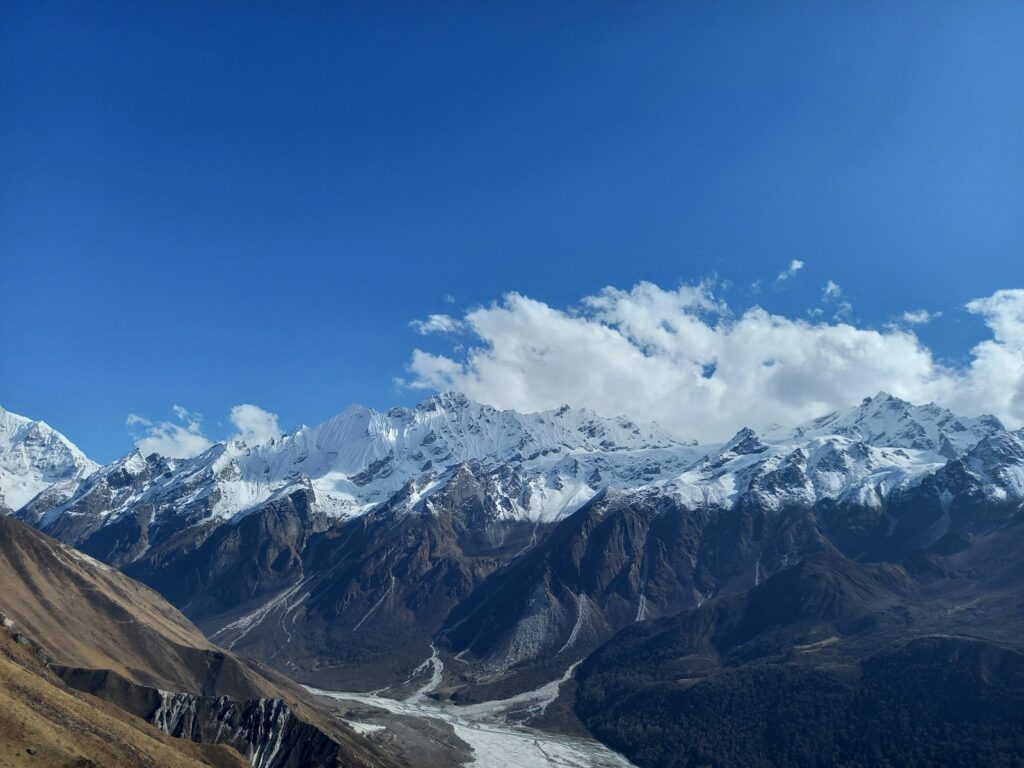
The Annapurna Circuit Trek is one of Nepal’s most iconic and diverse trekking routes, offering a stunning blend of natural beauty, cultural richness, and dramatic mountain scenery. This classic trek circles the majestic Annapurna Massif, taking you through a wide range of landscapes—from lush subtropical forests and terraced farmland to alpine valleys and arid high-altitude deserts. A major highlight of the journey is crossing the Thorong La Pass (5,416m), one of the highest trekking passes in the world, with panoramic views of Annapurna, Dhaulagiri, Manaslu, and Tilicho Peak.
Along the way, you’ll experience the distinct cultures of Gurung, Thakali, and Tibetan-influenced communities, with stops in traditional villages like Manang, Pisang, and Muktinath, the latter being a sacred pilgrimage site for both Hindus and Buddhists. The route also includes dramatic gorges, river crossings, and views of deep canyons carved by the Marsyangdi and Kali Gandaki Rivers. With its rich cultural encounters, varied terrain, and breathtaking mountain vistas, the Annapurna Circuit remains a must-do for adventurous trekkers seeking a comprehensive Himalayan experience.
Trip Highlights
- Cross Thorong La Pass, one of the world’s highest trekking passes.
- Enjoy diverse landscapes, from jungles to high alpine deserts.
- Experience rich cultures in traditional Himalayan villages.
- Visit sacred Muktinath Temple, a spiritual site for Hindus and Buddhists.
- Soak in stunning mountain views of Annapurna, Dhaulagiri, and more.
Itinerary
Arrive in the vibrant city of Kathmandu, the gateway to the Annapurna Circuit Trek adventure. After airport pickup, transfer to your hotel and relax after your journey. In the evening, enjoy a traditional Nepali welcome dinner and a briefing about the trek. This day helps you settle in and prepare mentally for the Himalayan journey ahead. Overnight stay in Kathmandu.
Begin your scenic drive from Kathmandu to Bhulbhule, passing rivers, terraced farms, and charming villages. The journey along the Trishuli River offers your first glimpses of rural Nepal and distant Himalayan peaks. This route is a key start point for the Annapurna Circuit Trek. Enjoy the changing landscapes as you leave the city behind. Overnight in a guesthouse at Bhulbhule.
Start your first trekking day along the Marsyangdi River through lush forests and traditional settlements. Cross suspension bridges and pass rice fields while enjoying peaceful countryside views. The trail offers a gentle introduction to trekking in the Annapurna region. Reach Bahundanda, a scenic ridge village with panoramic views. Relax and enjoy your first Himalayan sunset.
Descend to the river and continue through waterfalls, steep trails, and narrow gorges. The Annapurna Circuit Trek begins to feel more adventurous as the terrain becomes rugged. Pass through small villages and witness local mountain lifestyles. The sound of rivers and waterfalls enhances the trekking experience. Overnight stay in Chamje.
Walk through beautiful forests and reach Tal village, known for its unique flat valley landscape. As you move higher, the scenery shifts and Tibetan cultural influence begins to appear. Stone houses, prayer flags, and mani walls enrich the journey. Dharapani marks an important checkpoint in the Annapurna region. Rest and prepare for higher altitude trekking.
Enter the Manang district with stunning views of Annapurna II and Lamjung Himal. The trail passes through pine forests and traditional villages with a peaceful mountain vibe. Chame, the district headquarters, offers better facilities and beautiful surroundings. Natural hot springs nearby add to the charm of this stop. Enjoy a comfortable overnight stay.
Trek through alpine forests and open valleys with incredible mountain views. The landscape becomes more dramatic as you approach Pisang. Witness the famous Paungda Danda rock face rising steeply above the trail. The Annapurna range appears closer and more impressive. Overnight in Pisang surrounded by Himalayan beauty.
Continue your journey to Manang, one of the most important stops on the Annapurna Circuit. The trail offers breathtaking views of Annapurna, Gangapurna, and Tilicho Peak. Experience rich Tibetan culture and traditional mountain life. This gradual ascent helps your body adapt to altitude. Explore the lively village in the evening.
Take a rest day to adjust to the high altitude and prevent altitude sickness. Short hikes to viewpoints or glacial lakes help with acclimatization. Visit monasteries and learn about local Himalayan culture. This day is crucial for a safe and successful Thorong La Pass crossing. Relax and enjoy the peaceful mountain atmosphere.
The high-altitude zone with stunning alpine scenery. The trail becomes more open with fewer trees and more rugged landscapes. Walk alongside rivers and yak pastures under clear mountain skies. The air gets thinner, so a slow and steady pace is essential. Overnight in Ledar.
Continue towards the base of Thorong La Pass. The terrain becomes rocky and barren with dramatic mountain views. This is the final stop before crossing the highest point of the trek. Prepare mentally and physically for the challenging day ahead. Rest early to conserve energy.
The most challenging and rewarding day of the Annapurna Circuit Trek. Reach Thorong La Pass, one of the highest trekking passes in the world, with breathtaking panoramic views. After celebrating at the top, descend into the Mustang region. Arrive at Muktinath, a holy site for both Hindus and Buddhists. This day is a true highlight of the entire journey.
Descend through the Kali Gandaki Valley, the world’s deepest gorge. Pass through Kagbeni, a historic village with Tibetan culture and ancient monasteries. The landscape turns dry and desert-like as you enter Mustang. Enjoy a relatively आसान (easier) trekking day after the pass. Overnight in Jomsom.
Travel to Pokhara by flight or road, enjoying stunning Himalayan views. Pokhara’s lakeside beauty offers a relaxing break after the trek. Continue your journey back to Kathmandu. Celebrate your successful Annapurna Circuit Trek with a farewell dinner. Reflect on your unforgettable Himalayan adventure.
Enjoy your final morning in Kathmandu before heading to the airport. This marks the end of your incredible Annapurna Circuit Trek experience. Take home unforgettable memories of mountains, culture, and adventure. Nepal will always welcome you back. Safe travels!
Includes
Cost Includes
- Airport pick up and drop up international terminal.
- Local Bus ticket from Kathmandu - Bensishar.
- Domestic air ticket Jomsom - Pokhara - Kathmandu for guest and guide.
- Annapurna conservation Area Project entrance permit and Trekkers’ Information Management System fee.
- Tourist standard Hotel Accommodation in Kathmandu, Pokhara and guesthouse accommodation during the trekking period.
- One well experienced professional English speaking trekking guide trained by ministry of Tourism, Civil Aviation.
- Guide's food, accommodation, equipment, transportation, salary and insurance.
- Three meals a day (Breakfast, Lunch, Dinner) with hot beverage whilst on trekking.
- First aid medical kit.
- Farewell dinner in Kathmandu at typical Nepali restaurant.
- Private transport for Nayapul - Pokhara .
- All applicable taxes as pre the government rules and regulations.
- All necessary organizational requirements.
Cost Excludes
- International Airfare, visa fees and re-entry visa fees if applicable
- Meals at Kathmandu and Pokhara except mentioned.
- Personal nature expenses like bar bills, beverage bills, telephone bills, laundry etc.
- Your Travel Insurance and rescue evacuation, medical costs.
- Gratitude (tip) for staff.
FAQs
Yes, most treks in Nepal require one or more permits. The most common are the TIMS (Trekkers’ Information Management System) card and area-specific permits like the Annapurna Conservation Area Permit (ACAP) or Sagarmatha National Park Permit. Restricted areas such as Upper Mustang or Manaslu require special permits and must be arranged through registered trekking agencies. Carrying the correct permits is essential, as checkpoints are common along trails.
The ideal trekking seasons are spring (March to May) and autumn (September to November). These months offer clear skies, mild temperatures, and breathtaking mountain views. Spring is known for blooming rhododendrons, while autumn offers the best overall weather conditions. Monsoon (June to August) brings heavy rains, and winter (December to February) can be extremely cold and snowy at higher altitudes.
Fitness requirements vary depending on the trek, but a good baseline of cardiovascular health and endurance is helpful. Treks range from easy, low-altitude hikes like Ghorepani Poon Hill, to challenging high-altitude circuits like Everest Base Camp or Manaslu Circuit. Regular walking, stair climbing, or hiking in advance can prepare you well. Mental stamina is equally important, especially on longer or more remote trails.
Yes, altitude sickness, or Acute Mountain Sickness (AMS), can affect anyone above 2,500 meters, regardless of fitness or experience. Common symptoms include headache, nausea, dizziness, and shortness of breath. To reduce the risk, it’s essential to acclimatize properly, ascend gradually, stay hydrated, and avoid alcohol. In serious cases, descending is the only effective treatment, and travel insurance should cover emergency evacuation if needed.
Independent trekking is allowed in many areas like Annapurna, Everest, and Langtang. However, restricted areas such as Upper Mustang, Manaslu, and Dolpo require you to trek with a registered guide and at least two trekkers. Even where not mandatory, many trekkers choose to hire a guide for navigation and cultural insight or a porter to reduce physical strain. Going with a guide also adds a layer of safety and local support.
Most popular treks in Nepal offer teahouse accommodation, which are small lodges run by local families. These lodges typically provide basic rooms with shared bathrooms, local meals like dal bhat, and sometimes limited electricity or Wi-Fi. In more remote or less-developed areas, accommodation may be more rustic or require camping arrangements. It’s advisable to carry a sleeping bag for warmth and hygiene, especially in higher elevations.
Packing smart is key, as you’ll want to balance essentials with minimal weight. Core items include layers of clothing, a warm down jacket, sturdy trekking boots, a sleeping bag, headlamp, and first-aid kit. Don’t forget water purification tablets, snacks, sunscreen, and trekking poles if needed. Depending on the route and altitude, gear requirements may vary, and renting equipment in Kathmandu or Pokhara is also an option.
Yes, travel insurance is strongly recommended for all trekkers in Nepal. Your policy should specifically cover trekking at high altitudes (up to 6,000 meters or more) and include emergency helicopter evacuation. Medical care in remote areas is limited, and evacuation can be very expensive without insurance. It’s also helpful if your insurance covers trip cancellations, lost luggage, and other travel mishaps.
In more developed trekking regions like Everest and Annapurna, some villages have ATMs and paid Wi-Fi, but these services can be unreliable. In remote areas, there may be no access to banks or internet, so it’s best to carry enough cash (Nepali rupees) for your entire trek. Lodges often charge extra for device charging or internet usage. Trekking unplugged can be part of the adventure, so plan accordingly.
Yes, Nepal is generally considered a safe destination for solo female travelers, especially on well-trodden routes. Many women trek alone every year without issues, but taking basic precautions, such as informing someone of your plans and staying in reputable lodges, is wise. Hiring a female guide or joining a group can enhance safety and add cultural depth. Nepalese people are friendly and hospitable, but like anywhere, it’s important to stay aware of your surroundings.