
Trip Info
- Tea House & Tented Camp
- Trekking & Climbing Permits Included
- Spring & Autumn
- Professional Climbing Guide
- 6,189 meters
- Included (Guide & Staff)
- Airport Pickup & Drop Included
- Kathmandu
- 30 Days Before Start
Island Peak Climbing – 18 Days
Island Peak Climbing (6,189m), also known as Imja Tse, is one of Nepal’s most popular trekking peaks and an ideal introduction to Himalayan mountaineering. Located in the Everest Region, this adventure combines breathtaking trekking through the Khumbu Valley with an exciting summit climb, offering both natural beauty and a rewarding climbing experience.
This 18-day itinerary allows proper acclimatization and gradual altitude gain, ensuring safety and increasing summit success rates. The journey takes you through iconic Sherpa villages like Namche Bazaar and Dingboche before reaching Island Peak Base Camp. From the summit, climbers are rewarded with stunning panoramic views of Everest, Lhotse, Ama Dablam, and Makalu.
Highlights
- Summit Island Peak (6,189m)
- Scenic Everest region trekking
- Proper acclimatization for safe climbing
- Explore Namche Bazaar & Tengboche
- Stunning views of Everest, Lhotse & Ama Dablam
- Glacier walking & rope climbing experience
- Professional climbing training included
- Cultural immersion in Sherpa villages
Itinerary
The 18-day Island Peak Climbing journey is carefully designed to ensure proper acclimatization, safety, and an enjoyable trekking experience through the Everest Region. The adventure begins with your arrival in Kathmandu, followed by preparation and a scenic flight to Lukla the gateway to the Khumbu Valley.
You arrive in Kathmandu, a lively city filled with culture, colour, and history. As you step outside the airport, you’ll notice a mix of ancient temples, busy streets, and friendly locals. After transferring to your hotel, there is time to relax and settle in. In the evening, you can take a short walk around the vibrant Thamel area, known for its trekking shops and cosy cafes. The atmosphere gives you a first taste of Nepal’s energy and warmth. Your guide will brief you about the journey ahead and ensure everything is ready.
Today is spent exploring cultural landmarks and preparing for the climb. You visit UNESCO-listed heritage sites filled with ancient temples, prayer flags, and sacred rituals. The intricate carvings and spiritual ambiance offer a deep insight into Nepalese traditions. After sightseeing, there is time to check your gear and make final adjustments. Your guide ensures all equipment is safe and suitable for high-altitude conditions. Many travelers trust Nepal Holiday Treks for their detailed preparation and reliable guidance before heading into the mountains.
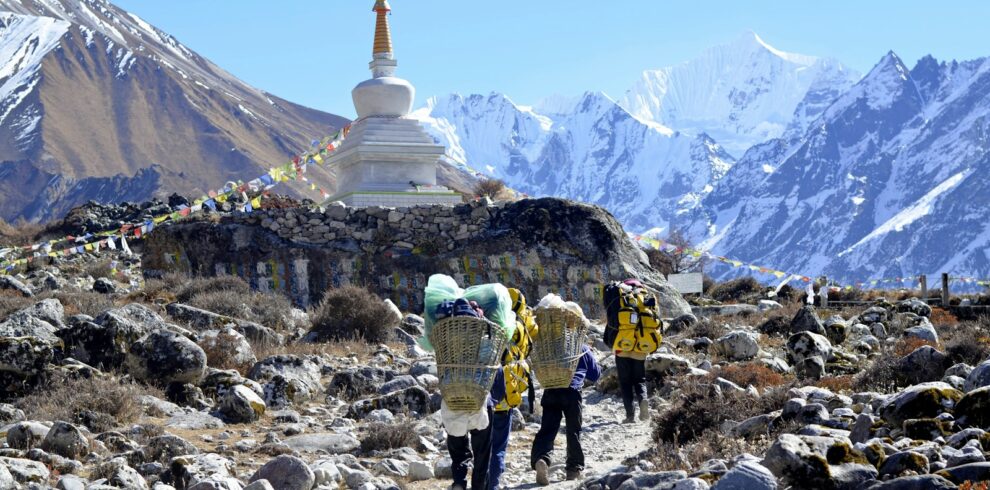
A scenic mountain flight takes you to Lukla, where dramatic hills and mountain views welcome you. The trail begins with a gentle walk through small Sherpa villages and lush forests. You pass prayer wheels, mani stones, and suspension bridges decorated with colorful flags. The Dudh Koshi River flows beside the trail, adding a calming sound to your journey. The path is comfortable and allows your body to adjust gradually. By the time you reach Phakding, you’ll feel the excitement of being in the Himalayas.
The trail continues along the river, crossing several suspension bridges with stunning views. You walk through pine forests and small settlements, meeting fellow trekkers along the way. The final section includes a steady uphill climb that rewards you with your first glimpse of Everest on a clear day. Namche Bazaar appears like a natural amphitheater carved into the mountainside. The town is lively, filled with shops, bakeries, and trekking lodges. This is the main trading hub of the Khumbu region.
Today is focused on adjusting to the altitude while staying active. You take a short hike to nearby viewpoints that offer breathtaking views of Everest and the surrounding peaks. The air feels crisp, and the landscape becomes more dramatic as you climb higher. Visiting local museums and cultural centres helps you understand Sherpa traditions and mountaineering history. The afternoon is relaxed, allowing your body to adapt comfortably. This balance of activity and rest is key to a safe climbing experience.
The trail offers a mix of gentle paths and forested sections filled with rhododendron trees. Snow-capped peaks begin to dominate the skyline, creating stunning scenery throughout the day. You may spot wildlife like Himalayan thar or colorful birds along the way. Crossing a river, the path climbs steadily toward Tengboche. The highlight here is the famous monastery, surrounded by mountains. The peaceful setting and spiritual atmosphere make this a memorable stop.
The landscape starts to change as trees become fewer and the terrain more open. You walk through alpine meadows and pass traditional stone-walled fields. The views of Ama Dablam and other peaks are incredibly close and clear. The trail is wide and steady, making the walk comfortable and scenic. Dingboche is a quiet village surrounded by dramatic mountain views. It offers a peaceful environment perfect for rest and reflection.
Another important day for adjusting to the altitude while enjoying the surroundings. You take a short hike to a ridge that offers panoramic mountain views. The scenery includes glaciers, wide valleys, and towering peaks. The air feels thinner, so the pace remains slow and steady. Back in the village, you can relax and prepare for the higher sections ahead. Proper acclimatization here greatly increases your chances of a successful climb.
The trail follows a gradual path through a wide valley with stunning mountain views. You walk alongside glacial streams and rocky terrain shaped by ice and wind. The peaks of Lhotse and Island Peak become more visible as you move forward. The environment feels remote and untouched, adding to the adventure. Chhukung is a small settlement used by climbers preparing for peak expeditions. The quiet setting allows for rest and final preparation.
The journey becomes more rugged as you move toward the base camp. The trail crosses rocky paths and glacial areas, offering dramatic high-altitude scenery. You can see the climbing route ahead, which builds excitement for the summit attempt. The surroundings are wild and raw, with ice formations and towering peaks. Base camp is set in an open area where climbers gather and prepare. The atmosphere is focused and adventurous, marking the beginning of the climbing phase.
Today is dedicated to building confidence and learning essential climbing skills. You practice using ropes, harnesses, ice axes, and crampons on nearby ice and rocky slopes. The guide demonstrates proper techniques for ascending and descending safely. This hands-on training helps you understand how to move efficiently on steep terrain. You also learn how to handle fixed ropes and basic safety procedures. By the end of the session, you feel more prepared and confident for the summit attempt.
The trail becomes steeper and more technical as you move toward high camp. You walk across rocky ridges and glacial paths with stunning views all around. The landscape is raw and dramatic, with ice formations and sharp mountain edges. Each step requires focus as the terrain becomes more challenging. Upon reaching high camp, the setting feels remote and powerful. The team prepares equipment and reviews the plan for the summit push.
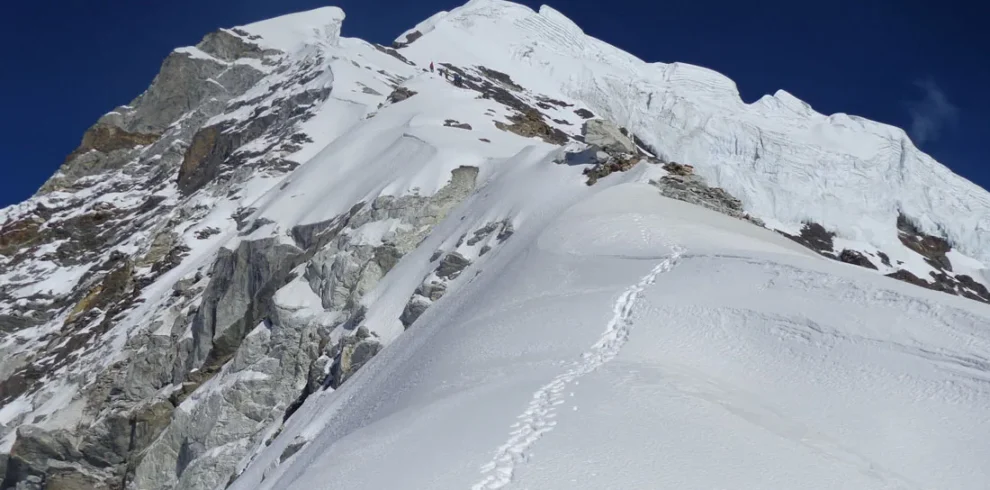
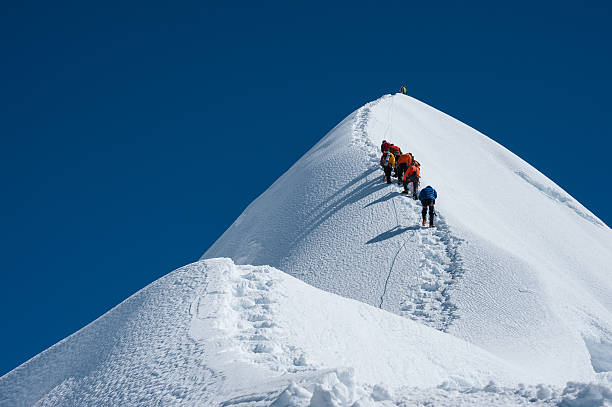
The summit day begins in the early hours under a sky full of stars. You move carefully across icy paths and climb steep sections using fixed ropes. As the sun rises, the surrounding peaks glow with golden light, creating an unforgettable view. Reaching the summit is a proud and emotional moment, with panoramic views of Everest, Lhotse, and nearby peaks. After spending some time at the top, you carefully descend back along the same route. The return to base camp feels rewarding after a successful climb.
This extra day is kept as a backup in case of weather changes or delays. If the summit was completed as planned, the day can be used for rest and recovery. You can explore nearby areas or simply relax and enjoy the mountain environment. The quiet surroundings allow time to reflect on the achievement. Guides monitor conditions and ensure everything remains safe and well-organized. This flexibility is an important part of any high-altitude expedition.
The descent begins with a gradual return through familiar trails. You walk past rocky paths and open valleys, enjoying the changing landscape. The air feels richer as you move lower, making the walk more comfortable. Passing through villages, you can observe local life and traditional homes. Pangboche offers beautiful views and a peaceful atmosphere. Many trekkers choose experienced teams like Nepal Holiday Treks for a safe and well-managed descent.
The trail continues through forests and suspension bridges over flowing rivers. You retrace your steps, but the scenery feels different on the way back. The downhill sections are easier on the lungs but require careful footing. You pass through lively villages and meet other trekkers heading upward. Returning to Namche feels like coming back to a familiar place. The town offers comfort, warm meals, and a chance to celebrate the journey.
The final trekking day follows the river through forests and small settlements. The path includes a mix of gentle descents and short climbs. You cross suspension bridges one last time, taking in the natural beauty around you. The journey feels reflective as you near the end of the adventure. Arriving in Lukla brings a sense of accomplishment and relief. The evening is often spent celebrating with the team and sharing stories.
A scenic flight takes you back to Kathmandu, offering final views of the Himalayas. The mountains slowly fade as the landscape transitions to hills and city life. Upon arrival, you return to your hotel and enjoy a comfortable rest. The city feels lively again after days in remote areas. You may spend time shopping or exploring local markets. This marks the end of a memorable Island Peak climbing journey.
Includes
Cost Includes
- Airport pickup & drop
- Lukla flight (round trip)
- Professional climbing guide
- Island Peak climbing permit
- Sagarmatha National Park permit
- Accommodation during trek
- Tented camp at Base Camp
- All meals (Breakfast, Lunch, Dinner)
- Climbing training
- Safety equipment (rope, harness, etc.)
- First aid support
- Support staff
Cost Excludes
- International airfare
- Personal climbing gear
- Travel insurance
- Personal expenses
- Tips for guide & porter
- Extra accommodation
- Emergency rescue
FAQs
Yes, with good fitness and basic trekking experience.
Moderate – requires endurance but not advanced technical skills.
Ensures proper acclimatization and higher summit success.
Spring & Autumn.
Basic group equipment is included.
6,189 meters.
Highly recommended.