


Trip Info
- Nepal
- Annapurna Region
- Trekking
- 16 Days
- Year Round
- Moderate
- 4250 Meters
- 2 - 32 People
- 30 Days Before Start
Overview
The Upper Mustang trek winds its way to the hidden Buddhist world of the Kingdom of Mustang, also known as Lo. This remote trans-Himalayan mountain area borders Tibet and has a distinct Tibetan feel to it, both in its people and culture and in its arid landscape of high cliffs and rocks of unusual formations and colour.
The trek visits Kagbeni, the gateway to Upper Mustang, then on through a stark landscape in the rain shadow of the Dhaulagiri massif to Lo-Manthang, the seat of past Kings of the Kingdom of Lo.
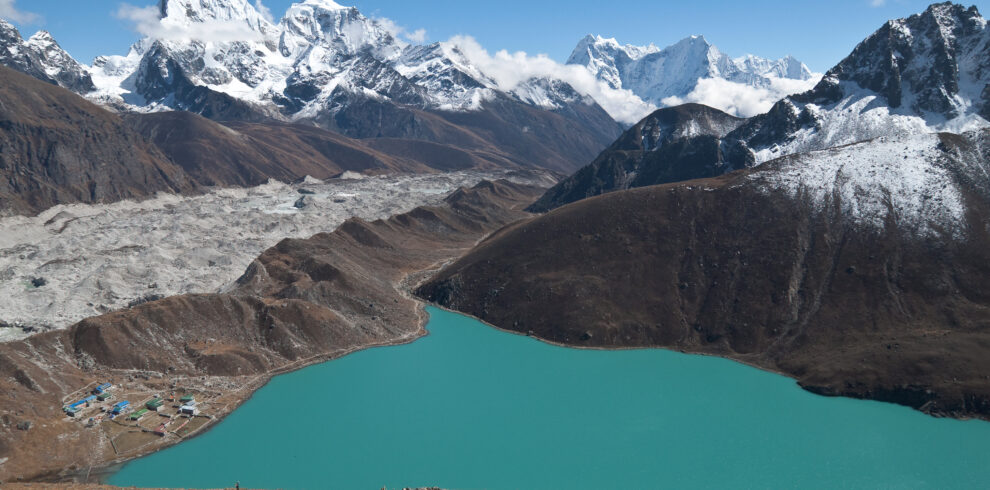
Explore caves, rock paintings, monasteries, and gompa and learn something about the culture of this area. Panoramic views of Nilgiri, Annapurna, Dhaulagiri, and others, are very much part of this exciting trip!
Within Lo Manthang itself a visit to Namgyal Gompa and Tingkhar, the last main village in the northwest of the area, as well as the King’s palace, brings a further cultural understanding of the area.
Trip Highlights
- Walk back to the history of Lo Manthang after exploring the palace of king
- Walk freely without worrying about the rain as the region lies in the rain shadow area
- Spiritual feel walking through many Gompas, chortens, flapping prayer flags, and caves
- Catch a live glimpse of Tibetan influence on the everyday activities and culture of the locals
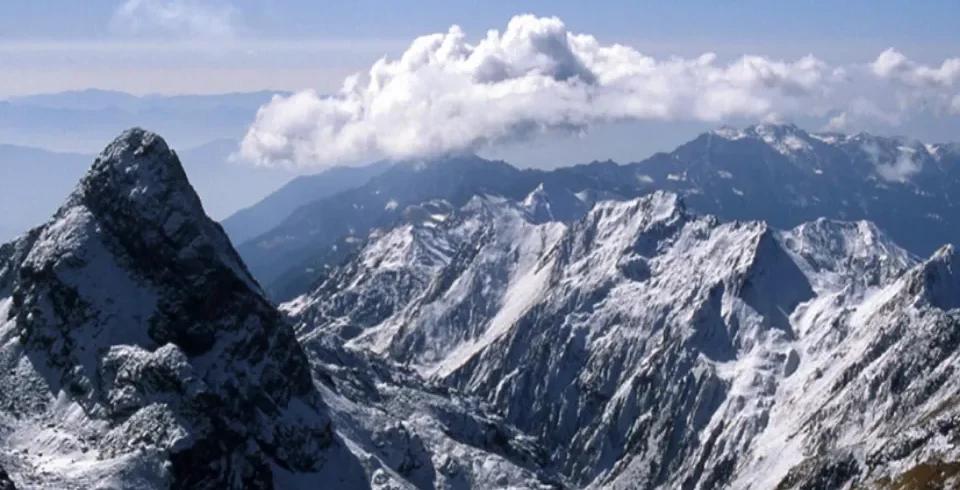
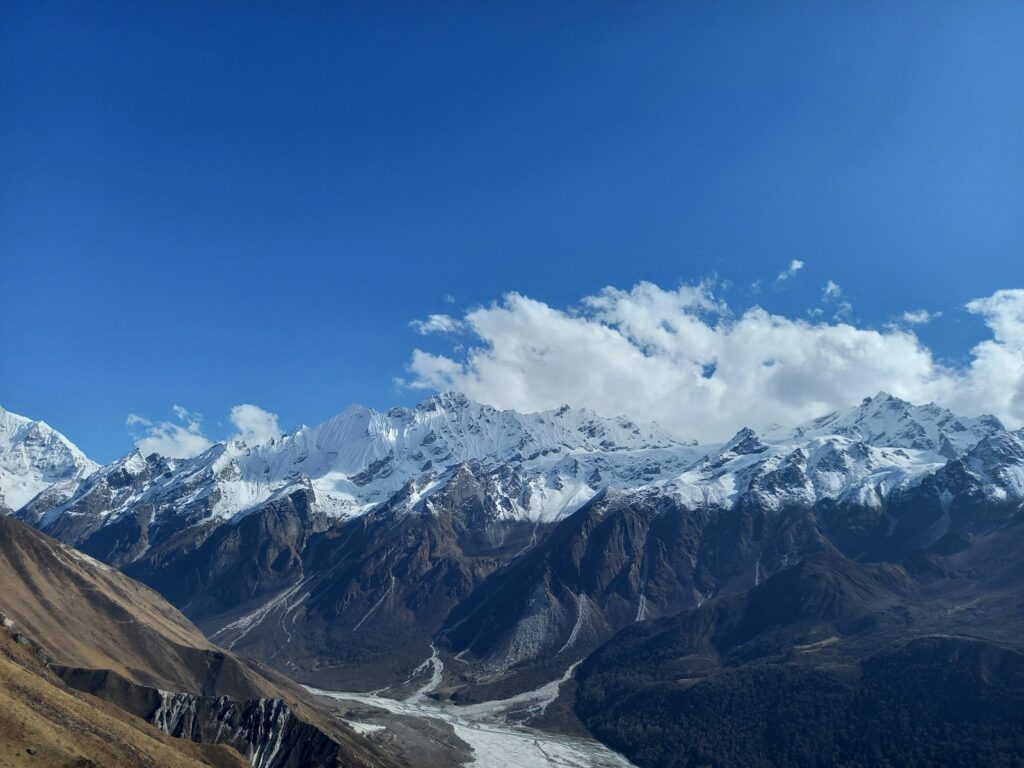
- Enticing views of Nilgiri, Annapurna, Dhaulagiri, and other chains of mountains
- Breathe the spirituality of the Tibetan like people and monks with their prayer flags
Itinerary
Our first day begins with a warm welcome in Kathmandu, the vibrant capital of Nepal. The bustling streets are alive with colors, temples, and local markets, offering a glimpse into the rich culture and heritage. We can explore the historic squares of Thamel, Durbar Square, and Swayambhunath Stupa, feeling the city’s energy. The intricate wood carvings and pagoda-style architecture make for stunning photographs. Kathmandu’s culinary scene invites us to try traditional momos and dal bhat at local restaurants. In the evening, we can relax and prepare for the journey ahead, soaking in the Himalayan ambiance. Nepal Holiday Treks ensures all transfers and accommodations are seamless for a stress-free start.
The journey from Kathmandu to Pokhara takes us through scenic valleys, rivers, and terraced farmland. Along the route, we encounter small villages where locals greet travellers with smiles, offering a glimpse of rural life. Pokhara opens up to serene lakes, particularly Phewa Lake, reflecting the snow-capped Annapurna peaks. We can stroll along the lakeside, explore local shops, and visit the iconic World Peace Pagoda. The calm evening atmosphere of Pokhara contrasts beautifully with Kathmandu’s bustle. Nepal Holiday Treks guides optional activities like boating or paragliding for a thrilling experience. The first night in Pokhara allows us to relax and acclimatise before the trek.
The trekking from Pokhara begins with a scenic flight to Jomsom, offering a bird’s-eye view of the Kali Gandaki valley. The air is crisp, and the landscape gradually turns arid, with cliffs and river gorges creating dramatic scenery. Our trek to Kagbeni introduces us to ancient walled villages, gompas, and Tibetan-style houses. Monks chant in local monasteries, adding spiritual depth to the journey. The path along the Kali Gandaki river shows layers of golden cliffs, making each step visually mesmerizing. Kagbeni’s narrow lanes reveal traditional lifestyle and unique architecture. Evening in Kagbeni provides a chance to observe local customs and interact with villagers.
The trek to Chele takes us through rugged cliffs and desert-like terrain, where the wind whispers across the valley. From here, the magnificent view of the Annapurna and Dhaulagiri ranges begins to unfold. Small streams and mani walls mark the trail, reflecting the spiritual heritage of Mustang. Villages along the way are sparsely populated but rich in culture, with old stone houses and prayer flags adorning rooftops. This section of the trek emphasizes isolation and pristine beauty, offering moments of quiet reflection. Chele itself is a compact village with friendly locals and a welcoming atmosphere. Nepal Holiday Treks ensures our accommodations provide warmth and comfort after a day on the trail.
Our path to Syanbochen winds through high desert landscapes dotted with juniper and sparse vegetation. The trekking from Chele presents panoramic cliffs and rocky passes, perfect for photography. Along the way, we witness the unique Mustang plateau, with its ancient caves and monasteries carved into cliffs. The village of Syanbochen is quiet and traditional, allowing for deep cultural immersion. Locals engage in agriculture and animal husbandry, giving insight into a centuries-old lifestyle. The evening offers clear skies for stargazing, with the vast valley spreading beneath us. Nepal Holiday Treks arranges cozy lodges that provide rest and a chance to enjoy local meals.
The trek to Ghami highlights vast plains and wind-swept cliffs, revealing the stark beauty of Upper Mustang. Traditional stone houses with flat roofs and prayer flags line the trail. We pass through ancient mani walls and gompas, experiencing Mustang’s spiritual depth. The magnificent view of the surrounding valleys and terraced fields is breathtaking. Ghami is a larger village with several centuries-old monasteries, offering insight into Tibetan Buddhist culture. Children play along narrow lanes, and local markets provide a peek into daily life. Nepal Holiday Treks emphasizes interaction with locals to enrich our cultural experience.
Trek to Charang unveils vast canyons and desert-like plateaus, with the Kali Gandaki river shimmering in the distance. Villages along the trail display the unique Tibetan architecture, and small gompas add spiritual ambience. Charang, a historically significant settlement, houses ancient fortresses and monasteries with centuries-old murals. Walking through winding lanes, we encounter monks performing rituals and locals tending livestock. The sunlight casts golden hues on the cliffs, creating magical photography moments. Nepal Holiday Treks ensures accommodations are comfortable, allowing relaxation after an adventurous day.
The trekking from Charang to Lo Manthang is a highlight of this wonderful trek, offering awe-inspiring panoramic views of Mustang’s plateau. We cross barren plains and ancient trade routes, feeling the history beneath our feet. Lo Manthang’s fortified walls and traditional buildings create a medieval-like atmosphere. The town is rich in monasteries, prayer wheels, and cultural relics. We have the chance to witness local festivals, crafts, and traditional dances if timed right. Strolling through the narrow streets, we absorb the serenity and isolation that make Mustang unique. Nepal Holiday Treks coordinates guided tours to uncover hidden corners and historical insights.
Our day in Lo Manthang allows full immersion into the ancient capital of Upper Mustang. The town’s monasteries, royal palace, and quaint streets are ideal for photography and cultural exploration. We can visit caves, some dating back hundreds of years, and learn about Tibetan Buddhist practices. Local markets offer traditional handicrafts, prayer flags, and handmade jewelry. The peaceful surroundings make it perfect for reflection or casual hiking in nearby hills. Nepal Holiday Treks arranges local guides to provide deep insights into Mustang’s history. The day concludes with sunset views over the barren plateau, a magical experience.
The trek to Konchhok Ling offers a glimpse into remote monasteries and unspoiled landscapes. We navigate through quiet valleys where prayer flags flutter in the wind and wildlife sightings are possible. The monastery itself provides a spiritual retreat, surrounded by cliffs and terraced fields. Local monks welcome visitors and explain meditation practices and rituals. The journey emphasises tranquillity and connection with nature, far from crowded paths. Nepal Holiday Treks ensures guidance and safety throughout this remote exploration. Photography opportunities are abundant, capturing both culture and scenery.
The trek from Lo Manthang to Tetang winds through barren landscapes with occasional villages. We cross stone-paved paths and small streams, witnessing local farmers tending barley and buckwheat fields. Tetang village is known for its rich architecture and beautiful stupas. Prayer wheels spin gently in the breeze, adding serenity to our path. The surroundings are ideal for observing Mustang’s unique flora and fauna. Nepal Holiday Treks ensures lodges provide warmth and a chance to enjoy local cuisine. Evening walks reveal magnificent sunsets casting dramatic shadows on cliffs.
The trek to Muktinath is spiritually significant, attracting pilgrims from Nepal and India. We pass through high desert terrain, witnessing the confluence of mountains, rivers, and ancient monasteries. Muktinath temple, dedicated to Lord Vishnu, is surrounded by natural springs and sacred sites. Pilgrims perform rituals, adding a unique cultural perspective. The surrounding views of the Annapurna and Dhaulagiri ranges are breathtaking. Nepal Holiday Treks provides guidance on local customs and temple etiquette. Time spent here offers both spiritual enrichment and a visual feast.
Our path back to Jomsom passes through river valleys and cliffside trails, with ever-changing landscapes. The Kali Gandaki river valley reveals layers of sandstone cliffs, creating a surreal visual experience. Along the trail, small villages offer glimpses of Mustang’s daily life. Arrival in Jomsom marks the end of the trek, providing a sense of accomplishment. Nepal Holiday Treks ensures comfortable lodges and local meals to relax after the long journey. Evening walks in Jomsom allow shopping for souvenirs and interacting with locals.
Flying back to Pokhara offers spectacular aerial views of the Annapurna range. The city welcomes us with serene lakes, green hills, and a relaxed atmosphere. Leisure time allows boating on Phewa Lake or visiting Devi’s Fall. Nepal Holiday Treks arranges hotel transfers and ensures a comfortable stay. Evening walks along the lakeside reveal charming cafes and shops. The tranquillity of Pokhara is a perfect way to recharge after the trek. Sunset views over the mountains create lasting memories.
Our journey back to Kathmandu winds through picturesque valleys, rivers, and hills. Scenic stops along the way allow photography and short walks in villages. The capital welcomes us with cultural vibrancy and bustling markets. Nepal Holiday Treks ensures smooth transfers and comfortable hotel check-ins. Evening offers time for souvenir shopping or exploring Thamel one last time. Reflections on this wonderful trek bring appreciation for Mustang’s culture and landscapes. Kathmandu’s energy is the perfect contrast to Mustang’s serenity.
Your journey in Nepal comes to an end today. Depending on your flight schedule, you may have some free time for last-minute shopping or sightseeing. A representative will transfer you to Tribhuvan International Airport for your departure. Wishing you a safe journey and hoping to welcome you back to the Himalayas someday!
Includes
Cost Includes
- Three meals a day (Breakfast, Lunch, Dinner) whilst on trekking.
- Cozy guesthouse accommodation whilst on trekking as per the itinerary.
- Domestic flight Pokhara –Jomsom - Pokhara for guest and guide inclusive with all taxes.
- Special Trekking permit fees.
- All necessary government and local permits, National Park entry fees.
- Trekkers Information Management System registration card.
- An experienced fluent English speaking guide, licensed by ministry of Culture, Tourism & Civil Aviation.
- Guide food, accommodation, clothing, salary & insurance.
- All necessary ground transportation as per the itinerary by car and Tourist bus for pokhara.
- Nepal Holiday sleeping bag,down jacket, duffel bag and area trekking map.
- First aid medical kit with Oxymeter to check pulse,heart rate and oxygen saturation at higher altitude.
- Airport transfers during the whole trip as per the itinerary.
- All applicable taxes as per the government rules and regulations.
- Farewell dinner in Kathmandu at typical Nepali restaurant
Cost Excludes
- International Airfare, visa fees and re-entry visa fees if applicable
- Hotel and Meals at Kathmandu...
- Personal nature expenses like bar bills, beverage bills, telephone bills, laundry etc.
- Optional (USD 275) Experienced and equipped trekking porter (one porter carry for 2 guest's luggage,up-to 25 kgs).
- Your Travel Insurance and rescue evacuation, medical costs.
- Services not mentioned in ' The Price Includes' section (Please ask us if you are confused about any services)
- Gratitude (tip) for staffs.
FAQs
Yes, most treks in Nepal require one or more permits. The most common are the TIMS (Trekkers’ Information Management System) card and area-specific permits like the Annapurna Conservation Area Permit (ACAP) or Sagarmatha National Park Permit. Restricted areas such as Upper Mustang or Manaslu require special permits and must be arranged through registered trekking agencies. Carrying the correct permits is essential, as checkpoints are common along trails.
The ideal trekking seasons are spring (March to May) and autumn (September to November). These months offer clear skies, mild temperatures, and breathtaking mountain views. Spring is known for blooming rhododendrons, while autumn offers the best overall weather conditions. Monsoon (June to August) brings heavy rains, and winter (December to February) can be extremely cold and snowy at higher altitudes.
Fitness requirements vary depending on the trek, but a good baseline of cardiovascular health and endurance is helpful. Treks range from easy, low-altitude hikes like Ghorepani Poon Hill, to challenging high-altitude circuits like Everest Base Camp or Manaslu Circuit. Regular walking, stair climbing, or hiking in advance can prepare you well. Mental stamina is equally important, especially on longer or more remote trails.
Yes, altitude sickness, or Acute Mountain Sickness (AMS), can affect anyone above 2,500 meters, regardless of fitness or experience. Common symptoms include headache, nausea, dizziness, and shortness of breath. To reduce the risk, it’s essential to acclimatize properly, ascend gradually, stay hydrated, and avoid alcohol. In serious cases, descending is the only effective treatment, and travel insurance should cover emergency evacuation if needed.
Independent trekking is allowed in many areas like Annapurna, Everest, and Langtang. However, restricted areas such as Upper Mustang, Manaslu, and Dolpo require you to trek with a registered guide and at least two trekkers. Even where not mandatory, many trekkers choose to hire a guide for navigation and cultural insight or a porter to reduce physical strain. Going with a guide also adds a layer of safety and local support.
Most popular treks in Nepal offer teahouse accommodation, which are small lodges run by local families. These lodges typically provide basic rooms with shared bathrooms, local meals like dal bhat, and sometimes limited electricity or Wi-Fi. In more remote or less-developed areas, accommodation may be more rustic or require camping arrangements. It’s advisable to carry a sleeping bag for warmth and hygiene, especially in higher elevations.
Packing smart is key, as you’ll want to balance essentials with minimal weight. Core items include layers of clothing, a warm down jacket, sturdy trekking boots, a sleeping bag, headlamp, and first-aid kit. Don’t forget water purification tablets, snacks, sunscreen, and trekking poles if needed. Depending on the route and altitude, gear requirements may vary, and renting equipment in Kathmandu or Pokhara is also an option.
Yes, travel insurance is strongly recommended for all trekkers in Nepal. Your policy should specifically cover trekking at high altitudes (up to 6,000 meters or more) and include emergency helicopter evacuation. Medical care in remote areas is limited, and evacuation can be very expensive without insurance. It’s also helpful if your insurance covers trip cancellations, lost luggage, and other travel mishaps.
In more developed trekking regions like Everest and Annapurna, some villages have ATMs and paid Wi-Fi, but these services can be unreliable. In remote areas, there may be no access to banks or internet, so it’s best to carry enough cash (Nepali rupees) for your entire trek. Lodges often charge extra for device charging or internet usage. Trekking unplugged can be part of the adventure, so plan accordingly.
Yes, Nepal is generally considered a safe destination for solo female travelers, especially on well-trodden routes. Many women trek alone every year without issues, but taking basic precautions, such as informing someone of your plans and staying in reputable lodges, is wise. Hiring a female guide or joining a group can enhance safety and add cultural depth. Nepalese people are friendly and hospitable, but like anywhere, it’s important to stay aware of your surroundings.