

Overview
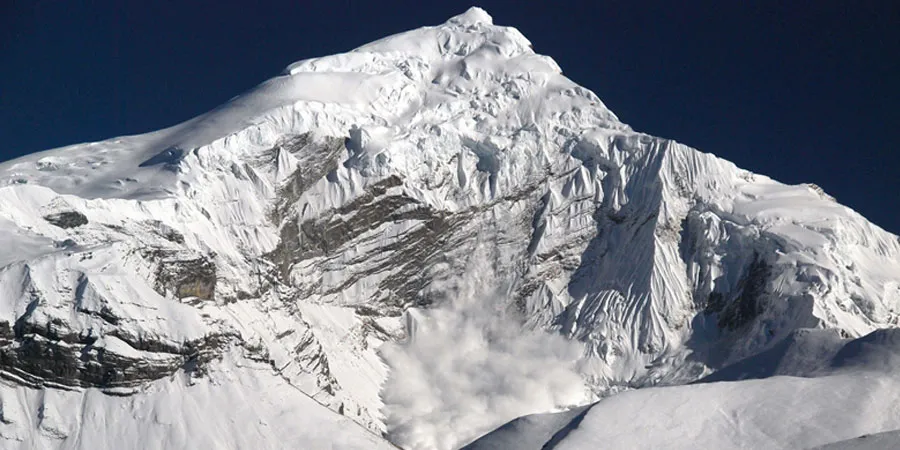
Chulu East Peak rises gracefully above the dramatic landscapes of the Annapurna region, offering a thrilling Himalayan climbing experience combined with scenic trekking. The journey blends remote trails, traditional villages, and striking mountain views that unfold with every step.
As you move through valleys shaped by glaciers and ancient rivers, the route reveals close-up views of towering peaks like Annapurna II and Manaslu. The landscape constantly changes from lush forests to rugged alpine terrain, creating a rich and immersive experience.
Reaching the summit is both a physical and emotional reward, with sweeping panoramas of snow-covered ridges stretching across the horizon. This climb is ideal for those seeking a first Himalayan peak with a perfect balance of challenge, beauty, and cultural discovery.
Highlights
- Scenic trekking routes through the beautiful Marsyangdi Valley
- Panoramic summit views of Annapurna, Dhaulagiri, and surrounding peaks
- Exploration of traditional Himalayan villages and local culture
- Gradual transition from green hills to high alpine landscapes
- A rewarding climbing experience suitable for beginner mountaineers
Itinerary
Our first day begins with a scenic journey from Kathmandu, where the road winds along rivers, terraced hills, and charming countryside villages. The drive passes through lush valleys with glimpses of waterfalls cascading down rocky cliffs. As we move deeper into the Annapurna region, the landscape slowly changes, revealing more rugged terrain and traditional settlements. The route offers constant views of local life, with farmers working in fields and children waving along the roadside. By the time we reach Dharapani, the air feels fresher and the surroundings quieter, setting the tone for this wonderful trek. Nepal Holiday Treks ensures a smooth transfer, making the journey comfortable and well-organized. This first experience already introduces the raw beauty of the Himalayas.
The trekking from Dharapani begins through dense pine and fir forests, where the trail follows the rushing Marsyangdi River. The path gradually climbs, offering striking views of rocky cliffs and distant snow peaks. Passing through small settlements, you’ll notice traditional wooden houses and prayer flags fluttering in the wind. The sound of the river accompanies much of the walk, adding a calming rhythm to the journey. As we approach Chame, the district headquarters, the surroundings open up with wider mountain views. The magnificent view of Lamjung Himal becomes a highlight of the day. The village itself offers a peaceful setting surrounded by forest and mountains.
From Chame, the trail follows a beautiful forest path that gradually leads into a wider valley. The journey crosses suspension bridges and passes through areas where the landscape becomes more open and dramatic. The trekking from this section reveals steep rock faces and high cliffs rising above the river. Along the way, you’ll see apple orchards and traditional farms that reflect the local lifestyle. As we near Pisang, the scenery transforms into dry alpine terrain with stunning mountain backdrops. The magnificent view of Annapurna II dominates the skyline. Pisang village sits quietly beneath towering peaks, offering a perfect place to rest and take in the surroundings.
Trek to Manang follows an upper route that rewards us with wide panoramic views of the Annapurna range. The trail passes through traditional villages like Braga, where ancient monasteries reflect deep-rooted culture. The landscape becomes more arid, with fewer trees and more open valleys shaped by wind and time. The magnificent view of Gangapurna and surrounding glaciers creates a dramatic setting. Walking along the ridge, you’ll notice how the terrain feels more remote and untouched. As we arrive in Manang, the village appears nestled in a vast valley with incredible mountain surroundings. Nepal Holiday Treks often recommends exploring the area to better appreciate its unique beauty.
This day allows us to explore Manang and its surrounding viewpoints without rushing forward. A short hike leads to higher ridges where the valley stretches out beneath towering peaks. The magnificent view of Annapurna III and glacial lakes adds depth to the experience. The village itself offers insight into local culture, with stone houses and prayer walls lining the paths. Visiting monasteries and interacting with locals gives a deeper understanding of life in the mountains. The calm atmosphere makes this day both relaxing and enriching. It’s a chance to absorb the beauty before continuing the journey.
Journey from Manang continues along a gradual trail that climbs through alpine terrain. The greenery fades, replaced by open slopes and grazing yaks scattered across the hills. The path offers quiet surroundings with fewer settlements, giving a true sense of remoteness. The magnificent view of Tilicho Peak appears in the distance. As we walk, the landscape feels vast and untouched, with wide skies and rugged ground. Yak Kharka is a small settlement where the silence of the mountains becomes more noticeable. This stage of the trek feels peaceful and deeply connected to nature.
The trekking from Yak Kharka moves away from the main trail toward a more isolated path. The terrain becomes rougher, with rocky sections and open landscapes stretching in every direction. The magnificent view of Chulu East Peak grows closer as we approach the base camp area. The surroundings feel wild and untouched, offering a true mountaineering atmosphere. Along the way, you’ll notice fewer signs of habitation, making the experience more adventurous. Base camp is set in a quiet area surrounded by towering peaks and glaciers. This is where preparation for the climb becomes more focused and exciting.
This is the most rewarding day of the journey, as we move toward the summit of Chulu East. The climb follows snowy slopes and ridgelines that offer breathtaking views in every direction. As we reach higher ground, the magnificent view of Dhaulagiri and Annapurna ranges unfolds dramatically. The sense of achievement grows stronger with every step toward the top. Standing on the summit feels surreal, with endless peaks stretching across the horizon. After enjoying the views, the descent follows the same route back to base camp. The experience leaves a lasting memory of accomplishment and beauty.
After the summit experience, our journey continues with a steady descent from base camp toward Ledar. The trail retraces through rugged terrain, offering a different perspective of the landscape explored earlier. The magnificent view of snow-covered ridges slowly shifts into more open alpine slopes. Walking downhill feels more relaxed, allowing time to notice small details like rock formations and distant grazing animals. The air feels calmer, and the surroundings appear more welcoming after the climb. As we reach Ledar, the settlement sits quietly against a backdrop of vast mountain scenery. This stage provides a peaceful transition after the intensity of summit day.
The trek from Ledar continues along a narrow trail carved into the hillside. The route offers dramatic views of cliffs and deep valleys shaped by ancient glaciers. The landscape feels raw and powerful, with strong winds often sweeping through the area. The magnificent view of the surrounding peaks creates a sense of anticipation for the next stage of the journey. As we approach Thorong Phedi, the terrain becomes more rugged and rocky. This small settlement rests at the base of a high mountain pass, surrounded by towering slopes. It’s a quiet place where trekkers prepare mentally for the challenging path ahead.
This part of the journey is one of the most iconic sections of this wonderful trek. The trail climbs steadily toward Thorong La, where the surroundings open into a wide, windswept pass. The magnificent view from the top reveals a vast panorama of Himalayan peaks stretching endlessly. Colorful prayer flags mark the pass, creating a powerful and spiritual atmosphere. Descending from the pass, the landscape changes dramatically into dry, desert-like terrain. As we move closer to Muktinath, the path passes through barren hills and ancient trails. Reaching the sacred temple area brings a unique cultural and spiritual experience.
Journey from Muktinath continues toward Kagbeni, a village rich in culture and history. The trail follows a wide river valley with strong winds and dramatic landscapes. The magnificent view of eroded cliffs and unique rock formations makes this section visually striking. Kagbeni offers narrow alleys, ancient monasteries, and a glimpse into traditional Himalayan life. From here, the path continues toward Jomsom along a dusty trail beside the river. The surroundings feel more open, with distant mountains framing the horizon. Jomsom welcomes trekkers with its blend of modern facilities and traditional charm.
The morning begins with a scenic flight from Jomsom, offering breathtaking aerial views of the Himalayas. As the plane takes off, the magnificent view of deep valleys and snow-covered peaks unfolds below. The flight passes between mountains, giving a unique perspective of the terrain trekked over the past days. Upon arrival in Pokhara, the atmosphere changes completely, with lakeside views and a relaxed environment. The city is known for its peaceful setting beside Phewa Lake. This transition from remote mountains to a vibrant town feels refreshing. It’s a perfect place to unwind and reflect on the journey.
Our last day marks the return journey from Pokhara to Kathmandu. The drive follows scenic highways with rivers, green hills, and small towns along the way. The magnificent view of rural landscapes provides a gentle contrast to the rugged mountains experienced earlier. Along the route, you’ll see local life in motion, from roadside markets to traditional farming scenes. The journey feels reflective, as memories of this wonderful trek come to mind. Nepal Holiday Treks ensures a comfortable return, completing the experience smoothly. Arriving in Kathmandu brings the adventure to a meaningful close.
Includes
Cost Includes
- Three meals daily (breakfast, lunch, dinner) during the trek
- Fresh fruits served after dinner
- Tea house accommodation during the trek
- Required trekking and peak climbing permits
- Tent accommodation above Yak Kharka with full meals, tea, and coffee
- Camping gear (tent, mattress, climbing rope)
- Private jeep transport and domestic flight with airport transfers
- Tourist bus transfer between Pokhara and Kathmandu
- Experienced, licensed trekking guide and climbing Sherpa (with all expenses covered)
- Porter support (1 porter for 2 trekkers, with full support and insurance)
- First aid medical kit and health monitoring equipment
- Emergency helicopter arrangement support (covered by insurance)
- Use of sleeping bag, down jacket, and walking poles (returnable)
- Government taxes and official fees
- Assistant guide for larger groups
Cost Excludes
- Meals while in Kathmandu
- Meals in Pokhara
- Nepal entry visa fee (visa on arrival)
- Travel and medical insurance (recommended)
- International airfare
- Personal expenses (shopping, services, etc.)
- Drinks during the trek (hot and cold beverages)
- Desserts and extra food items (chocolate, cake, pudding, etc.)
- Charging batteries and hot showers at tea houses
- Personal climbing equipment rental
- Tips for guide, porter, and driver
- Extra baggage charges for domestic flights
FAQs
Yes, it is considered a beginner-friendly climbing peak, but basic fitness and some trekking experience are highly recommended.
The journey includes forest trails, rocky paths, and snow-covered slopes closer to the summit.
Not mandatory, but familiarity with basic mountaineering skills like using crampons and ice axes is helpful.
You’ll need a climbing permit for Chulu East Peak and trekking permits for the Annapurna region.