
Trip Info
- Tea House & Tented Camp
- Included (Guide & Staff)
- Trekking & Climbing Permits Included
- 5,732 meters
- Kathmandu
- Spring & Autumn
- Kathmandu
- Professional Climbing Guide
- Airport Pickup & Drop Included
- 30 Days Before Start
Lobuche Peak Climbing
The Lobuche Peak journey is where classic Everest trails meet a true Himalayan summit challenge, and every day feels bigger than the last. This plan is built for trekkers who want both cultural depth in Sherpa villages and a serious climbing objective.
You move through Lukla, Phakding, Namche Bazaar, Tengboche, Dingboche, Lobuche, and the glacial basin near Everest Base Camp before shifting into summit preparation on Lobuche East. Along the way, you pass suspension bridges over the Dudh Koshi, stone-walled yak pastures, prayer-flagged ridgelines, and sharp views of Ama Dablam, Lhotse, and Nuptse.
With structured acclimatization and guided summit skills, Nepal Holiday Treks positions this route as a complete high-mountain experience for trekkers ready to step up from standard tea-house trekking.
Trip Highlights
- Perfect beginner climbing peak
- Cultural Tamang village experience
- Climbing training included
- Less crowded trekking route
- Short Himalayan expedition
Itinerary
You land in Kathmandu and get your first feel of Nepal’s mountain-travel rhythm right from the airport transfer into the city. In the evening, the old lanes around Thamel are full of trekking shops, prayer flags, and expedition chatter from around the world. Your guide team reviews permits, route logic, and personal gear checks with a practical, no-rush approach. This first session is important because it aligns expectations for both trekking and climbing phases. You also learn how weather windows and flight shifts can change mountain timelines. A calm first day like this makes the rest of the journey more efficient and safer.
The mountain flight to Lukla is short but dramatic, with layered ridges and deep valleys visible almost the whole way. After landing, you begin on a gentle trail through stone villages, mani walls, and pine-lined sections above the river. Prayer wheels spin beside the path and long strings of pack animals pass with bells echoing through the valley. The walk feels like an immersion day where body and mind settle into trail pace. Teahouses in Phakding offer a relaxed base to reorganize your kit for the longer climbs ahead. By evening, the sound of the Dudh Koshi becomes the background to your first night on route.
Today is one of the most memorable approach days because the trail repeatedly crosses high suspension bridges over fast glacial water. You pass checkpoints, enter Sagarmatha National Park, and begin the long climb that tests pacing and breathing discipline. Forest sections open and close, giving quick glimpses of distant snow peaks between tall pines. The final ascent to Namche is steep, but the arrival feels rewarding as the amphitheater-shaped town appears across the hillside. Teahouses, bakeries, and gear stores make Namche both practical and lively. This is where many trekkers first feel they are truly in the Everest region.
Acclimatization day does not mean inactivity, and a controlled hike above town helps your body adjust more effectively. The trail to higher viewpoints gives broad panoramas of Everest-side peaks and crisp morning light over the Khumbu valley. Back in Namche, many trekkers visit the Sherpa museum to understand local mountaineering history and culture. Cafes and small shops provide a comfortable reset without losing mountain focus. This day also gives your guide a chance to recheck your layering, hydration habits, and recovery signs. Good acclimatization here often shapes summit success later.
The traverse out of Namche offers classic ridge walking with long views of Ama Dablam and neighbouring giants. After descending to the river and crossing a bridge, the route climbs through rhododendron and fir toward Tengboche. The approach to the monastery feels special because the valley opens in every direction with clear sightlines to high ridges. At Tengboche, the monastery complex and prayer flags create a calm spiritual contrast to the physical effort of the day. Many trekkers pause for evening chants, which adds depth to the journey beyond the climbing goal. The setting here is one of the iconic visual moments of the entire route.
You descend through forested paths to Deboche, cross the river, and continue through Pangboche with expanding mountain views. The trail gradually shifts from tree cover to a more open alpine landscape with wider sky and stronger wind exposure. Stone-built settlements and terraced fields show how communities adapt to life in thin, dry air. Ama Dablam remains a constant visual anchor for much of the walk. By the time you reach Dingboche, the valley feels broader and more rugged than lower sections of the route. This transition marks the beginning of a distinctly high-mountain environment.
A steady acclimatization hike above Dingboche provides the right training load without overtaxing the body. From higher slopes, you see long glacier-carved valleys and a layered skyline of major Himalayan summits. The descent back to the village is usually slower and intentional, allowing recovery while keeping circulation active. Afternoon hours are often used for rest, hydration discipline, and boot or crampon adjustment checks. Guides also discuss summit-route behavior and pacing strategy in practical detail. This day quietly builds confidence for the tougher section ahead.
The route climbs gradually toward Dughla and then steepens near the memorial area dedicated to climbers lost in the Khumbu. This section often feels reflective, with wind-swept terrain and stark mountain walls surrounding the trail. After the memorial ridge, the path continues over glacial moraine features toward Lobuche village. The landscape turns increasingly raw and rocky, with fewer signs of vegetation. Teahouses here are simpler, and routines become more focused on weather, gear, and recovery. You can feel the expedition mood shifting from trekking comfort toward climbing intent.
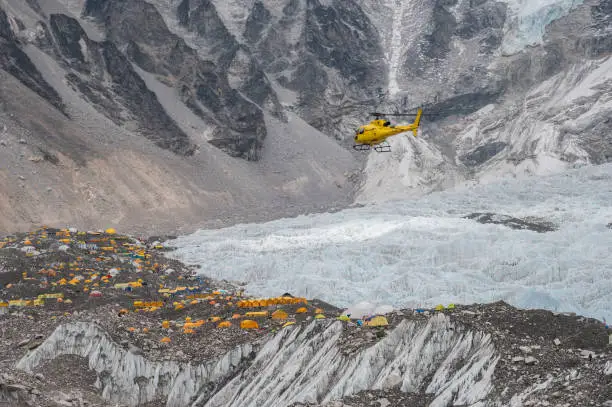
You move from Lobuche to Gorak Shep across uneven moraine terrain that demands careful footing and steady rhythm. After settling into the lodge area, you continue toward Everest Base Camp across glacial rubble and ice-shaped ground. Reaching base camp is emotionally powerful, especially when expedition tents and prayer flags frame the Khumbu Icefall backdrop. The return to Gorak Shep usually feels slower, with attention on hydration and controlled movement. Evening light across Nuptse and surrounding ridges gives this day a strong visual finish. It is one of the route’s landmark experiences before the summit phase.
A pre-dawn start takes you to Kala Patthar for the clearest morning mountain views of the expedition. As the sun reaches the Everest massif, the contrast between dark ridges and bright snow faces is unforgettable. After this viewpoint, you descend carefully to Gorak Shep and continue back toward Lobuche on familiar moraine paths. The return day is physically demanding, but it helps position you well for the technical climbing segment. Back in Lobuche, most teams reset gear and review fixed-line movement protocols. The day combines iconic sightseeing with disciplined expedition preparation.
Leaving the main trekking corridor, you move onto rougher ground toward climbing camp with fewer lodges and more exposed sections. The terrain includes rock, snow patches, and unstable moraine where precise foot placement matters. Team movement becomes tighter here, with guides managing spacing and pace to conserve energy. At high camp, tents are set in a compact layout designed for wind protection and smooth summit logistics. Afternoon is usually dedicated to equipment sorting, rope checks, and hot hydration cycles. The environment feels remote and focused, exactly as a summit staging area should.
This is a technical preparation day where climbing systems are rehearsed in real terrain near camp. You practice clipped movement on fixed lines, transitions at anchors, and controlled steps in crampons on mixed surfaces. Repetition matters because summit night conditions require automatic, efficient actions. Guides assess each climber’s pacing style, communication habits, and safety discipline under effort. The team also finalizes layering order, glove strategy, and emergency response roles. By the end of the day, uncertainty is reduced and decision-making becomes sharper.
Summit push begins in darkness, where steady breathing and measured movement are more important than speed. The route rises through steep snow and mixed sections, with fixed ropes used on the more exposed parts of the ridge. As dawn breaks, surrounding giants come into view and the scale of the Khumbu becomes clear in every direction. Reaching the top is both emotional and technical, earned through patient effort over many disciplined days. Descent demands full concentration, especially on sections where fatigue can affect footwork. Returning safely to high camp is the real completion of summit day.
The long descent starts with careful down-movement through rough camp approaches before rejoining familiar trekking trails. As the terrain softens, breathing usually feels easier and stride length naturally opens up. You pass back through wider valleys and village zones where green patches begin to return to the landscape. Arriving in Pangboche brings a noticeable shift from expedition mode to recovery mode. Teahouse comfort and warmer air often return quickly here. This day feels like a well-earned exhale after the summit objective.
The route descends and traverses through mixed forest and village sections with repeated views back toward high peaks. Crossing bridges and contouring trails feels easier now that the hardest objective is behind you. Many trekkers notice details they missed on the ascent, including carved mani stones and small monastery corners. In Namche, the town’s energy feels different on return, often filled with relief and quiet pride. This is a good point to debrief the climb and note lessons for future alpine goals. Teams from Nepal Holiday Treks often use this evening for a practical performance review with each climber.
The final trekking day is long but rewarding, combining descents, river crossings, and the gradual return to lower forested terrain. You retrace known sections through Monjo and Phakding, now with stronger trail confidence and lighter mental pressure. Villages feel busier again as aircraft access and trade routes become closer. The route still demands attention because suspension bridges and stone steps can be tiring after many days on foot. Reaching Lukla brings a clear sense of completion shared across the whole team. Evening in town is usually relaxed, with stories, thanks, and final mountain reflections.
Morning flight out of Lukla offers a final aerial look at the valleys and ridges you have crossed on foot. Back in Kathmandu, the contrast between mountain silence and city traffic feels immediate. Most trekkers spend this day on recovery, shower, gear sorting, and short city walks. It is also the best time to organize photos and note key learning from the climb while details are fresh. The evening is usually relaxed, with the team sharing final reflections from the expedition. This return day helps your body and mind transition out of expedition tempo.
Your departure day is straightforward, but it is worth arriving at the airport early due to Kathmandu traffic patterns. Many climbers leave with a clearer sense of mountain discipline, pacing, and personal limits after this route. The trek and climb combination gives more than a summit photo because it teaches process, patience, and decision quality. If you are planning future Himalayan objectives, this journey is often a strong bridge to larger expeditions. Keep your gear notes and acclimatization observations for your next season. You leave Nepal with both achievement and useful field experience.
Includes/Excludes
Cost Includes
- Airport pickup & drop
- Professional climbing guide
- Langtang National Park permit
- Accommodation during trek
- Tented camp at Base Camp
- All meals during trek
- Climbing training
- Safety equipment
- First aid support
- Support staff
Cost Excludes
- International airfare
- Personal climbing gear
- Travel insurance
- Personal expenses
- Tips for guide & porter
- Extra accommodation
- Emergency rescue
FAQs
It is better for fit trekkers who already have prior trekking experience in big mountain terrain.
Basic rope and crampon familiarity helps, and guided instruction is typically provided before summit day.
Spring and autumn usually offer the most stable weather and clearer mountain views.
Yes, the route includes planned acclimatization days in key villages.
Yes, most 18-day Lobuche itineraries include Everest Base Camp and Kala Patthar sections.