

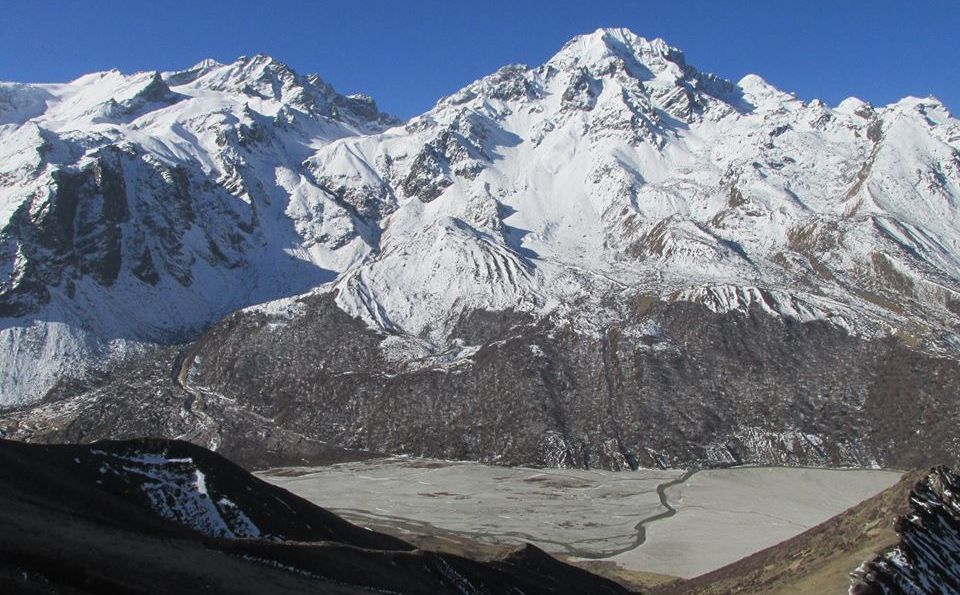
Naya Kanga Peak Climbing
Naya Kanga (Ghanja-la Chuli) is one of the most exciting trekking peaks in Nepal, offering a perfect blend of adventure, scenic beauty, and cultural immersion.
This journey takes you through lush forests, remote mountain villages, and high alpine landscapes before reaching the dramatic summit ridge.
Trekkers experience changing terrain, rich local traditions, and breathtaking Himalayan panoramas that make every step memorable.
It is an ideal climb for those seeking both trekking and mountaineering challenges in a less crowded region.
Trip Highlights
- Scenic drive from Kathmandu to Syabrubesi through hillside villages
- Walk through dense forests filled with waterfalls and wildlife
- Explore traditional Tamang and Tibetan-influenced settlements
- Visit ancient monasteries and prayer-filled landscapes
- Experience panoramic views of Langtang Himalayan peaks
- Cross remote high mountain passes and glacial terrain
- Summit Naya Kanga for unforgettable sunrise mountain views
Itinerary
Upon arrival in Kathmandu, you are welcomed by a lively atmosphere filled with colorful streets, temples, and local markets. The city blends ancient culture with modern life, offering a unique first impression of Nepal. You will notice prayer flags fluttering above narrow alleys and the scent of incense drifting through the air. After settling into your accommodation, you can take a gentle walk around nearby areas to absorb the vibrant surroundings. Small shops display handcrafted items, and local eateries offer traditional flavors. The energy of the city sets the tone for the adventure ahead. In the evening, final arrangements and briefings prepare you for the journey.
The day begins with a guided exploration of Kathmandu’s cultural landmarks. You visit historic temples, ancient courtyards, and sacred sites filled with intricate carvings and spiritual energy. Monkeys roam freely near hilltop shrines, while devotees light butter lamps in peaceful corners. The sounds of bells and chants create a deeply immersive cultural experience. After sightseeing, you return for final gear checks and preparation. Guides ensure everything is properly organized for the trek. The evening is relaxed, allowing time to mentally prepare for the journey into the mountains.
The journey to Syabrubesi follows winding mountain roads with dramatic views of hills, rivers, and terraced farms. As the city fades, the landscape becomes more natural and peaceful. You pass through small settlements where locals go about daily life in traditional ways. The road offers glimpses of snow-capped peaks in the distance. Rivers flow alongside the route, adding to the scenic charm. Upon reaching Syabrubesi, the atmosphere feels calm and refreshing. The village serves as the gateway to the Langtang region.
The trek begins along a trail that follows a river through dense forests filled with tall trees and birdlife. The sound of flowing water and rustling leaves creates a peaceful trekking environment. Suspension bridges connect sections of the trail, offering exciting crossings above the river. Along the way, you encounter small tea houses and friendly locals. The forest gradually becomes thicker, with occasional glimpses of wildlife. The path climbs steadily, offering a sense of progress. Arrival at Lama Hotel brings a cozy setting surrounded by greenery.
The trail continues through forested areas before opening into wide valleys with stunning mountain views. As you move higher, the vegetation changes and the landscape becomes more rugged. Traditional houses built from stone appear along the route, reflecting local culture. You may see grazing animals and locals engaged in daily activities. The valley widens, revealing impressive Himalayan backdrops. The village itself feels peaceful and authentic. Prayer flags and chortens add a spiritual touch to the surroundings.
The journey to Kyangjin Gompa offers some of the most scenic sections of the trek. The trail passes through open landscapes with dramatic mountain views on all sides. Glacial streams flow through the valley, adding to the natural beauty. You will notice ancient monasteries and prayer walls along the way. Upon arrival, Kyangjin Gompa presents a stunning setting surrounded by towering peaks. The monastery itself reflects deep spiritual traditions. The area feels remote, peaceful, and awe-inspiring.
The trail becomes more rugged as you leave the main valley and head toward Ganja La Phedi. The terrain shifts to rocky paths and alpine landscapes. Fewer trekkers are seen here, making the experience more remote and adventurous. You pass through quiet areas with minimal human activity. The views become increasingly dramatic with closer mountain perspectives. The camp area is surrounded by raw natural beauty. The silence of the mountains creates a powerful atmosphere.
The route becomes more technical and requires careful movement across rocky and icy sections. The landscape feels wild and untouched, with glaciers and rugged terrain dominating the view. Each step brings you closer to the high camp, which is set in a dramatic location. The surrounding peaks appear closer and more imposing. The environment feels challenging yet rewarding. Upon arrival, preparation for the summit begins. The sense of anticipation builds as you rest.
The summit day is the most exciting part of the journey. The climb involves navigating steep sections with stunning views unfolding as you ascend. As you reach the top, a breathtaking panorama of Himalayan peaks surrounds you. The feeling of standing at the summit is unforgettable. After spending time enjoying the views, you carefully descend back to base camp. The return journey requires focus and steady movement. The day ends with a deep sense of achievement.
The descent begins through remote and scenic landscapes. The trail leads through untouched areas with wide open views. You pass through quiet valleys and isolated terrain. The path gradually becomes easier as you descend. Natural beauty surrounds you at every step. Dukpu offers a peaceful resting place. The change in scenery is refreshing after the summit climb.
The trail continues through traditional villages where local culture is strongly preserved. You see monasteries, prayer wheels, and stone houses along the way. The people are welcoming and friendly. The route offers a mix of forest trails and open landscapes. Tharkeghyang is known for its cultural richness and scenic surroundings. The village provides a warm and comfortable environment. It is a great place to relax and reflect on the journey.
The trek passes through beautiful villages and forested paths. The route gradually descends, making the walk more relaxed. You encounter farmland, local homes, and daily village life. Sermathang offers panoramic views and a peaceful atmosphere. Continuing onward, the trail leads to Melamchi Pul Bazaar. The area feels more lively compared to previous stops. The journey transitions from remote mountains to settled regions.
The drive back to Kathmandu follows scenic countryside roads. You pass rivers, hills, and small settlements. The return journey offers time to reflect on the adventure. As you approach the city, the familiar sights and sounds reappear. Kathmandu feels vibrant after days in nature. The evening is free to explore or relax. The trip nears its conclusion.
The final day is reserved for departure preparations. You may take a short walk or enjoy the last moments in Kathmandu. The experience of the mountains stays with you. Memories of landscapes, culture, and adventure remain vivid. Transfer to the airport is arranged smoothly. The journey ends with a sense of accomplishment. You leave with unforgettable stories and experiences.
Includes/Excludes
Includes
- Airport pick-up and drop-off
- Accommodation in Kathmandu
- Trekking permits and climbing permits
- Experienced trekking and climbing guides
- Porter services for carrying luggage
- Transportation as per itinerary
- Climbing equipment (group gear)
- First aid kit and safety support
- Government taxes and service charges
Excludes
- International flights
- Nepal visa fees
- Travel insurance
- Personal trekking gear
- Extra hotel nights
- Personal expenses (snacks, drinks)
- Tips for guides and porters
- Emergency evacuation costs
- Any unforeseen expenses
FAQs
A good level of endurance, strength, and stamina is essential for this adventure.
Basic mountaineering knowledge is helpful, especially for summit sections.
Spring and autumn offer the clearest views and most stable conditions.